
Customer Growth
If marketing feels broken in your business, the fix probably is not a new funnel, a new agency, or a louder campaign. It is a conversation you are not having yet, with the people who actually shape whether you win, keep, and grow customers. That is the bit I’d pay attention to.
The marketing problem is usually a conversation problem
I cannot have a conversation with a business owner right now without it coming back to the same thing. Where is the next customer coming from, how do we get more pipeline, why is the market quieter than it used to be. If you are enjoying the chaos, fair play. If you are not, it is a real problem, and most of the time it is being treated as a marketing problem when it is actually a conversation problem.
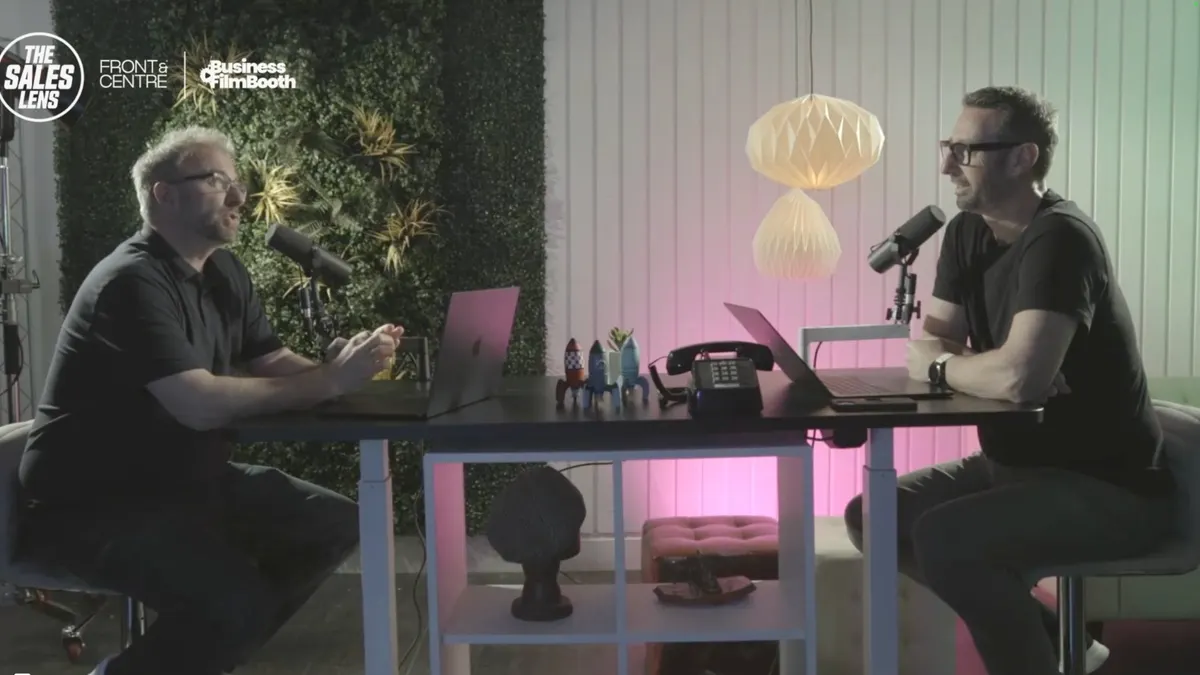
I was talking to Toby Goodman about this recently. Toby wrote a book called Narrow Podcasting and spends his time helping experts, mostly in healthcare, talk about what they do in a way that actually lands. His original story is brilliant. He was running a high end party band, spending a fortune on glossy video and suits and dresses and an office, and the phone went quiet after about a year. The fix was not better marketing assets. The fix was starting a podcast for event planners and letting them talk about themselves first.
The moment the conversation changed from hire us to tell me about your work, the relationship changed. Event planners who would not take a cold call were suddenly happy to sit down for an hour. That is the bit worth sitting with. The product had not changed. The pitch had not changed. The conversation had.
“Most marketing problems are conversation problems wearing a marketing costume. Fix the conversation and the pipeline tends to follow.”
Always be opening, not always be closing
There is a phrase Toby uses that I love. Always be opening. Not closing. Opening. Opening the next door, the next conversation, the next reason to come back.
What he found, again and again, was that the real value of a recorded conversation was not the episode. It was what happened after you pressed stop. The guest would relax, ask how was that for you, and then mention the thing they were actually wrestling with. A project manager they needed to replace. An accountant who was not cutting it. An event next month in India. None of that shows up in a campaign plan. All of it shows up in a conversation where the other person felt properly listened to.
This is the bit most sales and marketing teams miss. You do not need more outreach. You need more reasons for the people you care about to keep talking to you. A podcast format is one way. A customer roundtable is another. A genuinely useful quarterly review is another. The format is less interesting than the intent.
Listening is the marketing asset nobody puts on the deck
Toby kept using the word listening. I notice this with clients all the time. The salespeople and account managers who have the strongest relationships are not the slickest talkers. They are the best listeners. They ask better questions, they remember what was said three months ago, and they make the customer feel like the most important person in the room.
That is the same thing a good podcast does, whether it ever gets published or not. The format gives you permission to ask, to be curious, to shut up for a bit. And it shifts the listening position of the other person too. After someone has been properly heard, they are far more willing to hear you back. That is not a trick. That is just how humans work.
If you want a quick gut check on your own business, ask this. What are the conversations your customers are having about you when you are not in the room, and what are you doing to shape them? That is a Front&Centre® question and it tends to make people uncomfortable in a useful way.
The repeat prescription, or how to stop saying the same thing twelve times a day
Toby works a lot with clinicians, and one story stuck with me. He worked with an oncologist who, on a bad day, has to tell twelve people they have cancer. Half an hour in the room, then the care team takes over, and then the phones start ringing. The patient cannot remember what was said about chemo. The spouse wants to speak to the doctor. The kids do not know what to ask. The admin team are stuck in the middle.
So they built a library of episodes. What to expect if you have just been diagnosed with stage two lung cancer. How to talk to your child about a parent’s diagnosis. What friends and neighbours can actually do to help, instead of asking how can I help at the worst possible moment. Now the clinician hands over a card on the way out and says, share episode three with your wife, episode ten with your daughter.
That is not marketing in the gross sense. That is a repeat prescription delivered through conversation. It is retention. It is referral. It is trust made visible at the exact moment the patient needs it most. And it is a near perfect example of what I mean by Moments That Matter™. The clinical bit is the obvious one. The hours and days afterwards are where trust is either built or quietly lost.
“A podcast episode can work like a repeat prescription. Hand it over once, and it keeps doing the work long after the appointment is finished.”
Narrow your market, then narrow the conversation
Toby has gone all in on healthcare. He could work with anyone. He chooses not to. His line is simple. Do you like them, and can they pay. Two of the best qualifying questions you will ever hear.
What I’d add commercially is this. A narrow market is not just about being easier to find. It is about being easier to recommend. The magnetic side of marketing pulls the right people in. The repellent side, which most businesses are scared of, gives everyone else a clean reason to point at someone they know. That is not for me, and my mate Dave absolutely needs to see this. Both sides of the magnet are doing work.
The same logic applies inside the conversation. The more specific the question, the more useful the answer. What is your biggest challenge with marketing gets you a shrug. What is the conversation you keep having with prospects that never quite closes gets you something you can act on by Friday.
Get yourself in there, not just out there
The reframe I’d leave you with is Toby’s, and it is a good one. Most marketing advice tells you to get yourself out there. Post more, advertise more, show up more. Fine. There is a bit of that to do. The better question is, who do you need to get yourself in with.
He gave a lovely example. A dietitian he works with has just partnered with a pharmacy selling weight loss jabs. The pharmacist will never be her client. He sends her ten new clients a day. That is the kind of conversation that changes the shape of a business. It does not come from a campaign. It comes from working out who is already standing in front of your customer, and giving them a reason to point.
So here is what I’d be thinking about this week. Less how do we reach more people, more who already has the trust of the people we want, and what conversation should we be having with them. Record it if you can. Even if you never publish it, you will learn more in an hour of that than in a month of campaign planning. Behaviour drives growth. And the behaviour that drives the most growth, almost always, is a better conversation with the right person.